TinyLily Accelerometer (Discontinued)
DESCRIPTION
This TinyLily Sewable sensor board features the high performance and low power Bosch BMA250 3-axis accelerometer. The BMA250 allows measurement of accelerations in three perpendicular axes and thus senses tilt, motion, shock, and vibration in your projects. There is also an integrated temperature sensor built in.
Even though the BMA250 is designed to run at 1.8V – the Accelerometer TinyShield incorporates level shifters and a local power supply to ensure proper and safe operation over the entire TinyDuino operating voltage range up to 5V.
TECH SPECS
- Washable
- Four Sewtabs – 1.2mm in diameter, easy to use with standard conductive thread and needles
- Robust Gold Finish – makes soldering easy and is non-corrosive
Power Requirements
- Voltage: 3.0V - 5.5V
Dimensions
- Dimensions: 14mm diameter(0.0.55 inches)
- Max Height: 2.5mm (0.1 inches)
- Ultra-thin 0.61mm (0.024 inches) PCB
- Weight: .305 grams (0.0108 ounces)
NOTES
If using conductive thread that frays easily, wax thread before using. The SDA and SCL lines can easily short with stray thread causing your sensor to not work.
DOWNLOADS
LEARN
IN THE BOX
1× device (assembled) · Quick-start card
SPECIFICATIONS
Made & tested in Akron, Ohio, USA.
SHIPPING & RETURNS
Ships from Akron, Ohio within 1–2 business days. Free USPS shipping on U.S. orders over $100. 30-day returns on unused units in original packaging.
It actually plays my old home videos on a screen the size of a stamp. It's my desk's favorite object.
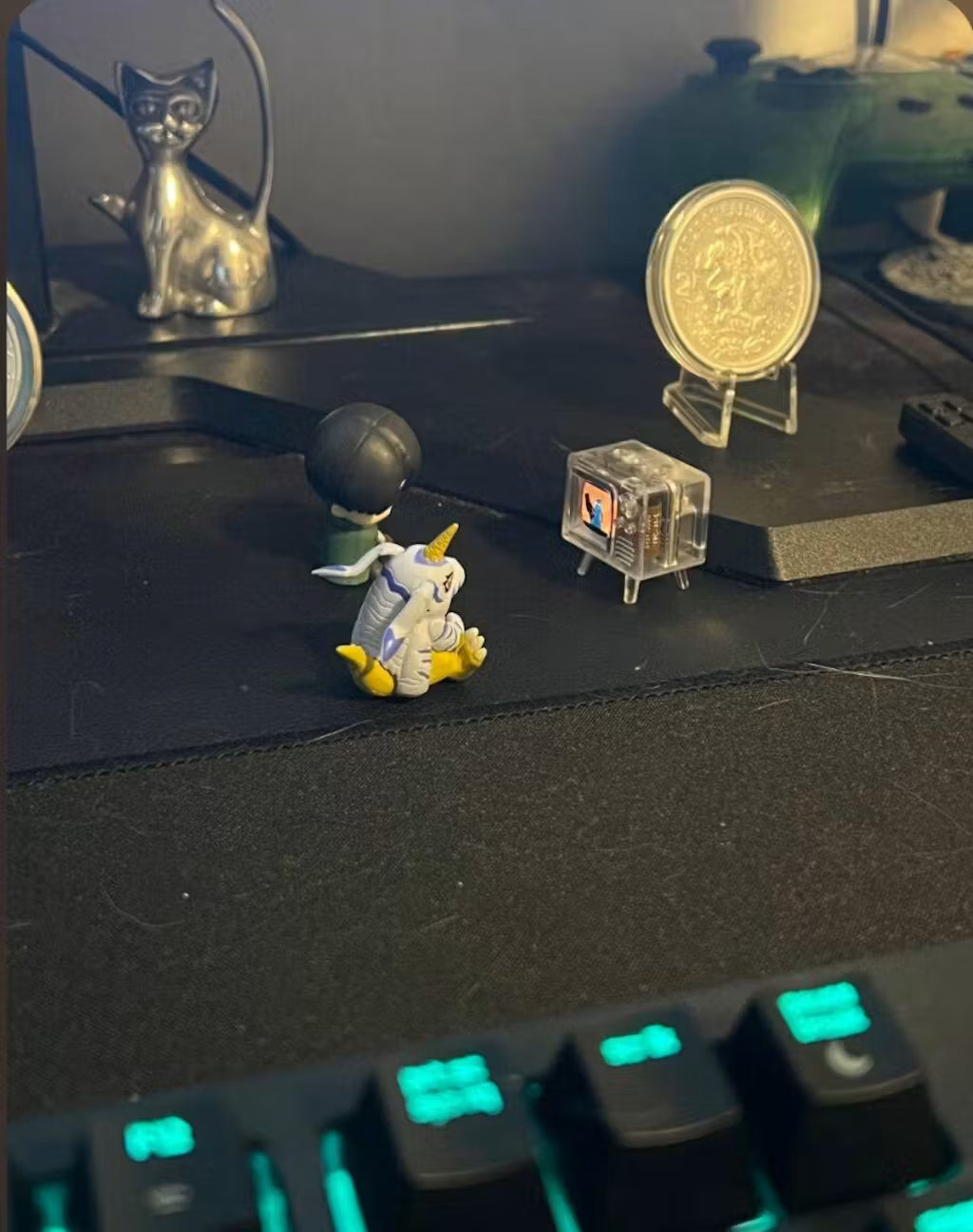
The remote is absurd and I love it. Setup took five minutes and my clips looked crisp on that little screen.
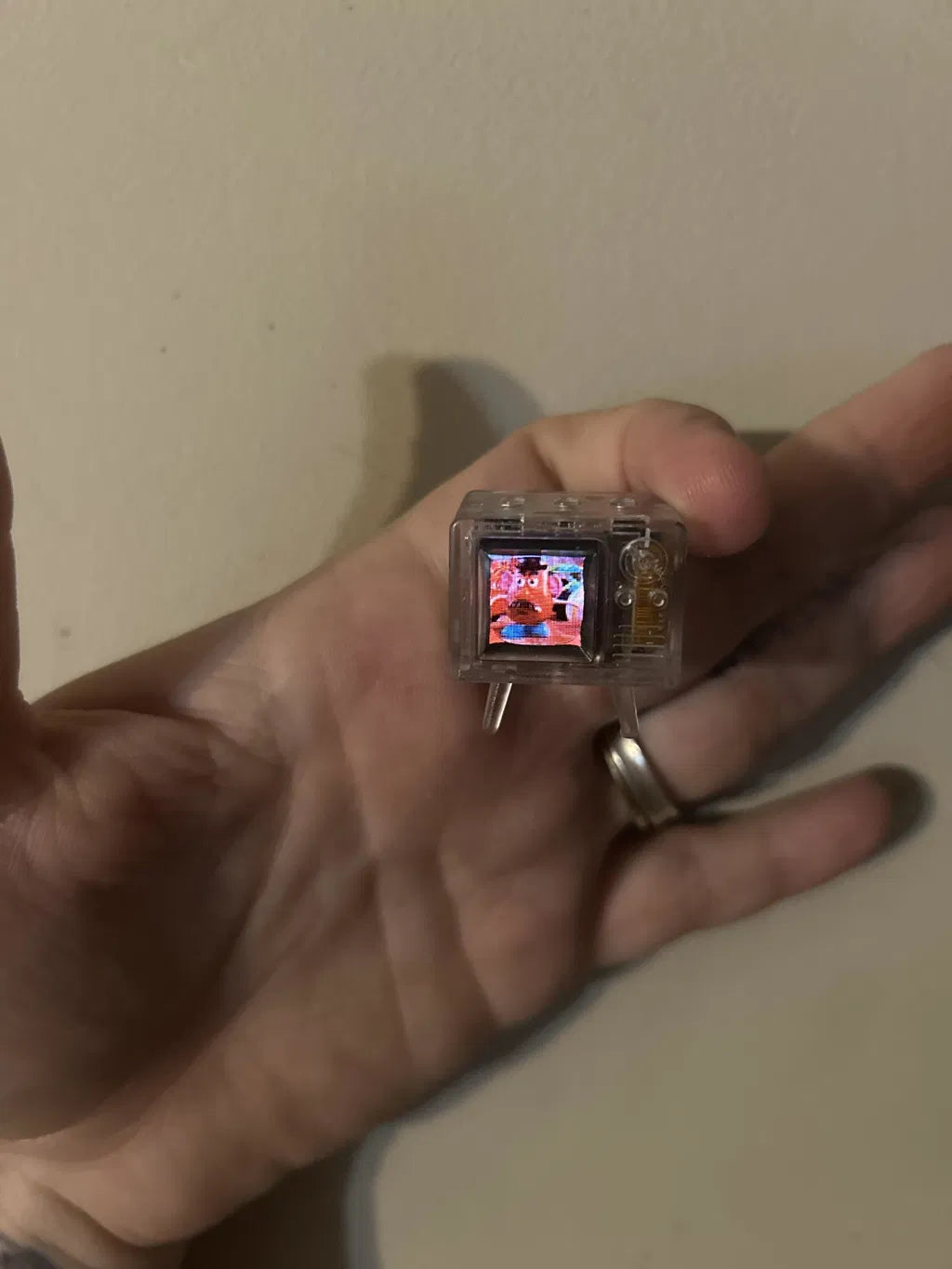
Build quality is unreal for something this small. Feels like a real gadget, not a toy — and it's made here.
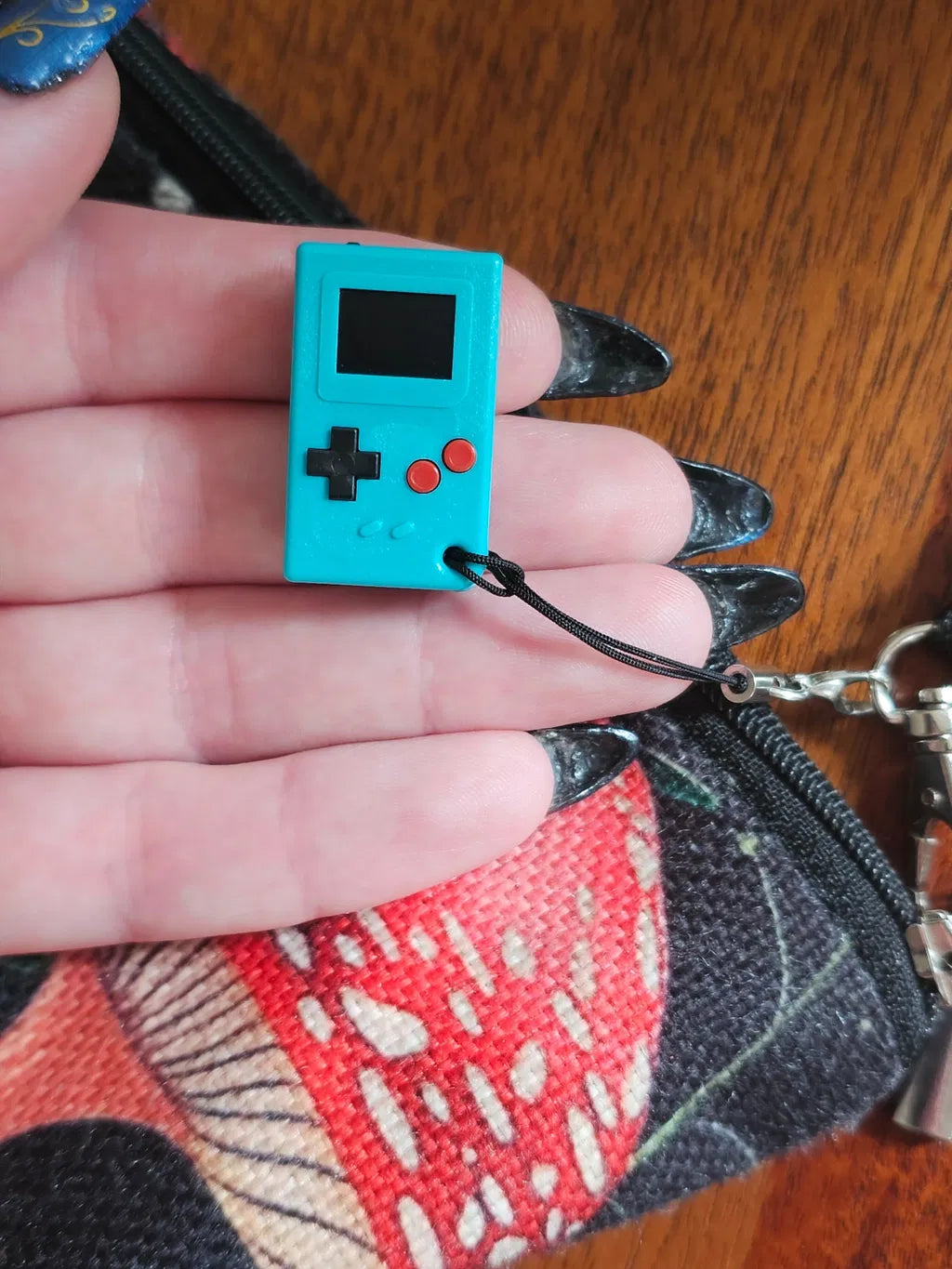
Gifted one to my brother and now the whole family wants one. Tiny, but seriously mighty.

Battery lasts through a work day on my shelf and the fireplace loop is weirdly cozy. Zero regrets.
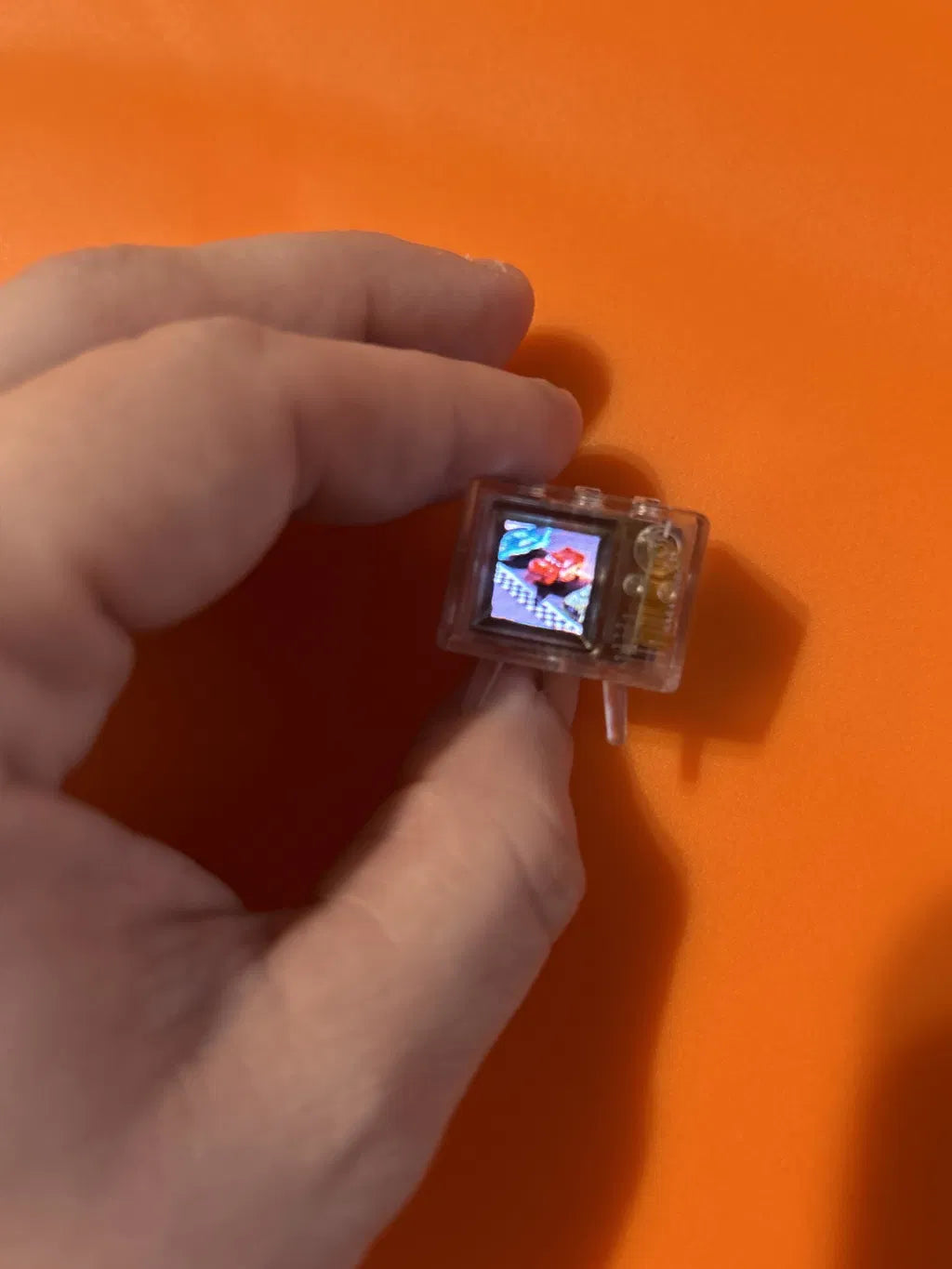
Loading my own videos over USB was dead simple. It's the best desk conversation-starter I own.